
Tulip Smile

Dental Implants 

Dental Implants

Dental implants consist of metal, screw-like posts that are inserted into the jawbone, abutments and prosthetic teeth to replace missing teeth, support dentures, and build dental bridges.
Dental implants have changed the way we think about dentistry. They are not only an effective solution for missing or damaged teeth, but they can also be used to balance out removable dentures.
At Tulip Smile, we know that missing teeth can cause self-esteem issues and impact the function of your teeth. If you have any missing teeth, we will sit down with you to discuss your best treatment options for restoring your lost teeth.
We look forward to restoring the functionality of your teeth and also renewing your confidence and your love for your smile.

What Are Dental Implants? 

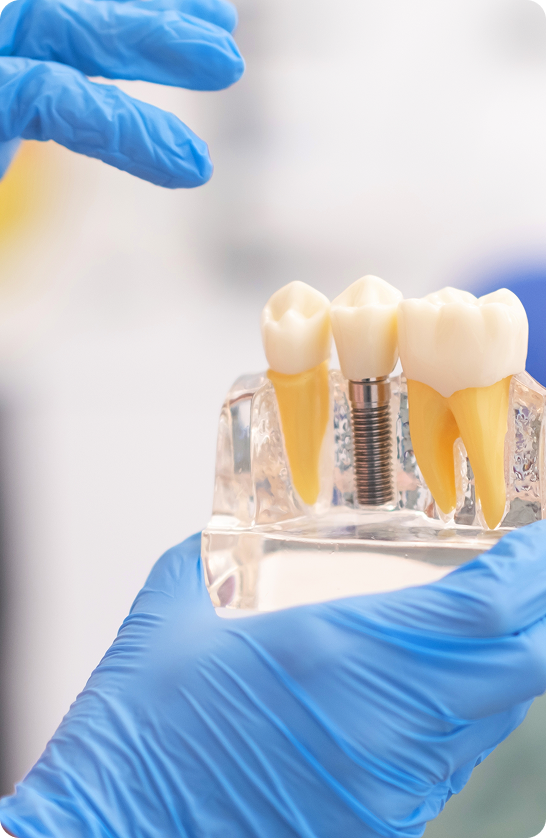
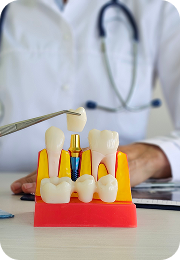
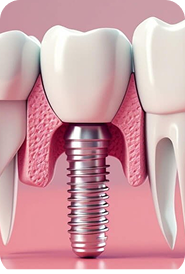
Dental implants consist of a metal screw-like post that is inserted into your jawbone, an abutment that connects the implant and the prosthetic tooth, and the prosthetic tooth itself, which is usually a dental crown, bridge, or denture.
Dental implants are an effective dental treatment used to replace missing or severely damaged or decayed teeth. Implants restore the functionality and appearance of teeth, boosting self-esteem and making people fall in love with their smiles once more.

Who is Eligible for Dental Implants? 

The Different Types of Dental Implants

Endosteal Implants 

Endosteal implants are inserted into the jawbone through a minor surgical procedure, and are the most commonly used dental implant. They are usually made from titanium or zirconia materials.

Zygomatic Implants

Zygomatic implants are anchored to the cheekbone (zygomatic bone). They are used for patients who don’t have sufficient bone density. The procedure for zygomatic implants is usually more invasive than both endoseal and subperiosteal implants. 

Subperiosteal Implants 

Subperiosteal implants are usually the implant option used for people who do not have enough jawbone density to support an implant being surgically inserted into the jawbone. It consists of a metal frame being fitted onto the jawbone, beneath the gum, rather than being inserted directly into the jawbone. These posts are attached to the frame and protrude through the gums where the prosthetic teeth are attached. 
All-On-4 Implants

All-on-4 implants are commonly used when a patient has lost an entire arch of teeth, either on the upper or lower jaw. It consists of four dental implants and a fixed bridge.

What Are the Benefits of Dental Implants? 

The many benefits of dental implants include 

Improved Appearance and Self-Confidence 

You no longer need to feel self-conscious about your missing teeth when speaking, eating, or smiling. Dental implants blend in well with your natural teeth and give you a bright new smile you can feel proud of. Most people won’t even be able to tell that you have dental implants! 

Improves Overall Oral Health

As dental implants are surgically inserted into the jawbone, they stimulate the gum tissue and function without having an impact on your natural teeth. 

Comfortable

Dental implants bond with the jawbone and essentially become a part of it, meaning that you won’t even notice them after a while, and they will feel like part of your natural mouth and teeth. 

Implants Surgically Inserted into the Jawbone 

Your implants will be inserted into your jawbone by a minor surgical procedure. We will use local anesthesia so you will feel no pain during this procedure. 

If you don’t have enough jawbone density, you may be required to undergo a bone grafting procedure before the implants are inserted. 

Prevents Bone Loss 

Missing teeth can cause the jawbone to lose bone mass and density, and your facial structure begins to change. Dental implants provide the necessary stimulation to help the jawbone maintain its strength and density. 

Improves Speech 

Missing teeth can cause issues with slurred or stuttered speech, which can have a negative impact on your self-esteem and social life. Dental implants make it easier to pronounce certain words and improve your speech. 

Easy to Care for

You don’t need to do anything extra to take care of your dental implants; just floss, brush, and use mouthwash as you normally would! Also, be sure to keep your regular dental appointments.

Osseointegration 

After the dental implants have been inserted, the process of osseointegration begins. This process will take several months, allowing the implants to bond and integrate with the jawbone. 

Regular check-up appointments will be scheduled during this time; please continue to follow your regular oral hygiene routine.

Prosthetic Tooth is Created and Placed on Implant 

Using 3D imaging, your prosthetic tooth is created in a lab. It will then be placed onto the implant. 

Restores the Functionality of Teeth 

Dental implants fully restore the functionality of your teeth, meaning you can once again eat all the foods you love, including those hard, sticky and chewy foods that you once had to avoid. 

Many patients cannot distinguish between their natural teeth and their dental implants. 

Durability 

Dental implants can last a lifetime if they are taken care of properly. The implants bond with the jawbone and merge with it, so they act like your natural teeth. 

Protects Surrounding Teeth 

A missing tooth can cause the surrounding teeth to shift out of position, leading to issues with your jaw, bite, speech, and eating habits.

Having dental implants prevents the surrounding teeth from shifting position.

Initial Consultation and Tests Taken

During the intitial consultation with your dentist, your medical history and treatment goals will be discussed. X-rays and 3D imaging scans will be taken to decide if you are eligible for dental implants, and to identify the best placement sites for them. 

Placement of the Abutment 

Once the implant has fully fused with the jawbone, the abutment is placed. This will support the prosthetic tooth and hold it in place on the implant. 

Taking Care of Your Dental Implants

01

Soft food diet:

For the first several days after dental implant surgery, stick to soft foods like soups, jelly, mashed potatoes, noodles, and smoothies to ensure your dental implants heal well.

02

Pain relief:

If you experience any pain, consider taking over-the-counter pain relief medication, such as paracetamol or ibuprofen.

03

Limit:

Limit alcohol intake and tobacco products, as well as hard, chewy and sticky foods.

04

Brushing teeth:

After implant surgery, switch to a soft-bristled toothbrush to allow your mouth to heal properly.

05

Follow a good oral hygiene routine:

Keeping up a good oral hygiene routine will greatly benefit your dental implants. Floss and brush at least twice a day, and use mouthwash about once a week. 

FAQs

Who Isn’t Eligible for Dental Implants? 

Dental implants are not usually covered by Medicare or most health insurance policies, as they are considered a cosmetic or elective procedure instead of a medical one.

Some private health insurance policies may offer partial coverage for dental implants.

Please check with your insurance provider or chat with us if you have any concerns about the financial aspect of dental implants.

Contact Us 

At Tulip Smile, we are here to help with all your oral health needs. We understand that some people are stressed or anxious about visiting the dentist, and we prioritise your comfort and well-being every time you visit. 
Contact us at (02) 4872 2186 to learn more about the dental treatments we offer and how we can assist you. 
Scroll to Top